As I got on my bike today and rode to my destination (as usual), I realized I had not seen one girl out and about on her own this entire summer. Not one ( in a self-proclaimed family-friendly city). And then, I realized, that, perhaps, women of my generation (Gen Jones/Gen X) were, in fact, the very last feral girls in my country.
If you were born in the late 1960s or early 1970s in the United States, you likely know what I mean. We were the final cohort of American girls who grew up outside — unsupervised, untamed, and unapologetically present in public space.
We rode bikes without helmets till the streetlights came on. We climbed trees, roamed woods, built forts, and figured sh*t out on our own. We drank from garden hoses, rollerskated on sidewalks cracked with weeds, and got our news from the click of the TV dial or whispers from older siblings. We had latchkey lives and landline secrets. And through it all, we knew the world by touch, taste, and trial.
And then? We got tamed.
By college brochures and career paths. By expectations and exhaustion. By cubicles, cribs, caregiving. We folded into roles with grace and grit. We held it all together — and now, something is shifting again.
We’re empty-nesting. Or nearing retirement. Or just done asking permission. And you can feel it, can’t you? The wild is rising again.
The Rewilding of the Feral Girl
There’s a movement happening, quiet but fierce. Women in their 50s and early 60s are reclaiming their feral. It’s in the rise of solo travel, the spike in women’s adventure gear, the surge of silver-haired women on bikes, trails, and foreign shores.
According to a 2023 AARP study, women aged 50 and up make up the fastest-growing demographic of solo travelers in the USA, and they’re not just going to spas. They’re cycling the Camino, backpacking in Patagonia, WWOOFing on farms (like I did), and retracing ancestral footprints in places like Ireland, where the wind talks if you listen.
Women’s cycling is also booming — not just as fitness but as freedom. Sales of bikes to women aged 45+ grew more than 20% over the past three years, according to industry research group NPD. And new startups focused specifically on older women’s activewear, bike tours, and gear signal that the market — and the moment — has arrived.
But here’s the thing: this isn’t about the market. It’s about the mark. The one we are making now, finally, for ourselves.
What the Wild Looks Like Now
Sometimes the wild is a passport stamp. Sometimes it’s riding your bike to the farmers market instead of driving. Sometimes it’s writing a book, learning a language, starting a nonprofit, or saying “no” without explanation.
It might mean letting your hair go grey or purple or buzzed. It might be a kayak, a tent, or just a picnic alone with no one needing you for the next three hours.
For me, the wild meant WWOOFing solo (although married) across two countries — completely reclaiming the part of myself that society kept trying to silence.
And my truth became clear: You get to live the rest of your life wildly.
Why This Matters
This matters because we control the purse strings now — and the narrative. Women over 50 are not a niche market. We are a powerful economic force. According to Forbes, women aged 50 and over control more than $15 trillion in purchasing power globally — and that number is rising as we live longer, earn more, and make more autonomous choices about how we spend our time and money.
In the United States alone, women over 50 make over 80% of household purchasing decisions, including in industries traditionally dominated by younger demographics — like travel, fitness, outdoor recreation, and technology. (Forbes, 2021; Harvard Business Review, 2020)
And we’re using that power to reshape what it means to age as a woman in this country.
We’re rejecting outdated scripts of decline and disappearance. We’re demanding (and creating) products, services, and stories that reflect our vitality, our complexity, and our refusal to be sidelined. From launching businesses to biking continents, from solo travel to second acts, we’re modeling lives of expansion, not contraction.
Visibility matters. Agency matters. And money talks. The more we invest in our wild, the more we shift the cultural weather — for ourselves and for the generations that follow.
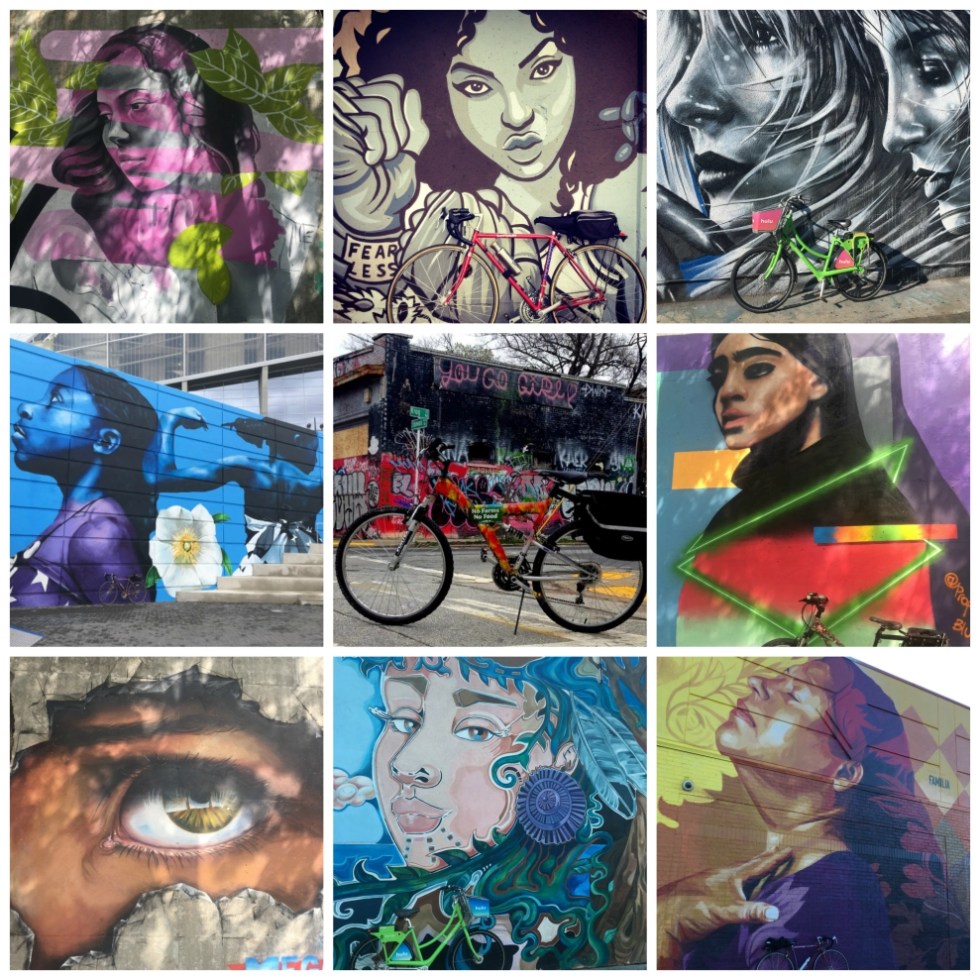
And that influence doesn’t stop with consumer choices — it extends to the very design of our communities. As we age, we are uniquely positioned to advocate for cities that are safe, accessible, and vibrant for women of all ages. That means walkable neighborhoods, bikeable streets, better lighting, public transit that feels safe, and green spaces where everyone — especially older women (and maybe even a new generation of feral girls) — can thrive.
By showing up, speaking out, and spending consciously, we’re not just aging — we’re future-building. And that will be our legacy. Wild, huh?
Cities Taking the Lead:
🟢 Vienna, Austria – Pioneer in gender mainstreaming, with redesigned sidewalks, parks, and housing reflecting women’s real-world use patterns.
🟢 Barcelona, Spain – Pla d’Urbanisme amb Perspectiva de Gènere (Urban Plan with a Gender Perspective) integrates caregiving infrastructure and safer mobility.
🟢 New York City – NYC Streets Plan and Equity Action Plan include gender, age, and race in transportation design.
🟢 Umeå, Sweden – Participatory planning that includes gender impact assessments in every project.
🟢 Mexico City – Launched Safe Cities for Women initiatives and female-focused transit options.
Key Planning Tools You Can Explore or Share:
📘 Her City Toolbox – UN Habitat
📘 Handbook for Gender-Inclusive Urban Planning and Design – World Bank
📘 Cities Alive: Designing for Women – Arup
📘 Age-Friendly Cities – WHO Global Network
🚲 Action Steps: Reclaim Your Wild and Your Bikeable World
- Use your voice: Speak up at city council meetings. Ask how your city is planning for aging and gender equity.
- Support women-led urban design: Advocate for female planners, engineers, and architects in your local government or zoning board.
- Organize or join a local audit: Conduct a “walkability for women” audit in your neighborhood. Look at lighting, seating, safe crossings, and access to transit.
- Spend with impact: Choose destinations, businesses, and tour operators that reflect your values — especially those supporting older women, accessibility, and safe mobility.
- Tell your story: Share your solo travels, biking adventures, or urban joy. You’re not invisible — you’re vital.
Don’t miss my books Traveling at the Speed of Bike, Round America with a Duck, and Round Ireland with a Duck (global release October 5, 2025).
Discover more from Traveling at the Speed of Bike
Subscribe to get the latest posts sent to your email.
